English| EUR
Suggested for you
More currencies
Choose a language
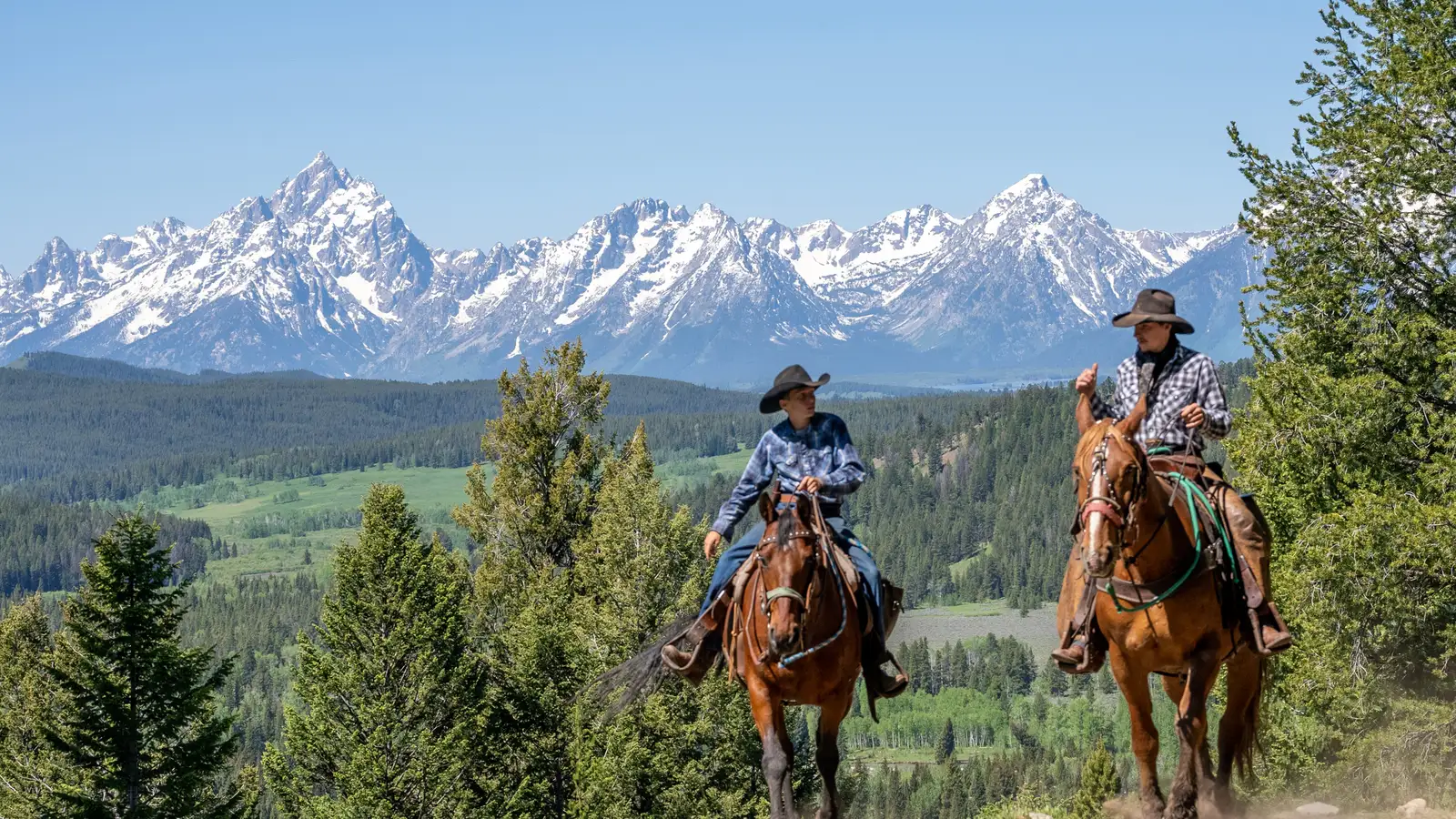
Riding through Bridger-Teton National Forest requires engagement from muscle groups most visitors rarely use in daily life. The combination of high-altitude terrain, extended saddle time, and the constant stabilization work your legs and core perform translates to predictable soreness for first-time and occasional riders. This guide explains what to expect and how the forest's trail conditions influence post-ride recovery.
Quick answer
Yes, horseback riding typically makes you sore, especially if you're new to it or riding infrequently. The inner thighs, hip flexors, lower back, and core muscles bear the most strain during trail rides in Bridger-Teton National Forest. Soreness usually peaks 24 to 48 hours after your ride and fades within three to five days. Riders tackling longer routes or steeper elevation gain—common in the Gros Ventre or Wind River ranges—report more pronounced discomfort than those on shorter valley trails.
A two-hour ride through Bridger-Teton National Forest activates muscle groups that remain dormant during most forms of exercise. Your inner thighs grip the saddle, your core compensates for uneven terrain, and your lower back absorbs the rhythmic motion of the horse's gait across miles of high-altitude trail. Even experienced hikers find that trail riding soreness feels distinct from the fatigue of a long walk, because the stabilization work is constant and the posture unnatural for anyone who spends most days on foot or seated. The forest's elevation—most trailheads sit between 7,000 and 9,000 feet—compounds the effort. Thinner air means your cardiovascular system works harder, and fatigue sets in faster, which can lead riders to tense up rather than relax into the saddle. Rigid posture increases strain on the hip flexors and lower back. Routes that climb into the Teton Wilderness or along the Continental Divide ask more of your stabilizing muscles than flat valley rides near the Gros Ventre River, and soreness reflects that difference. Guides at the forest's visitor center in Jackson report that riders who choose half-day trips often underestimate how much their legs will remind them of the experience the following morning. Soreness is not a sign of injury unless it's sharp or asymmetric. The dull, widespread ache across your thighs and seat is delayed-onset muscle soreness—the same phenomenon that follows any unfamiliar physical demand. It peaks around the 48-hour mark and resolves within a week for most riders. Those planning multi-day pack trips into the Bridger or Teton wilderness areas benefit from shorter acclimatization rides in the days before departure. Stretching the hip flexors, adductors, and lower back immediately after dismounting, then again the next morning, shortens recovery time. Light movement—walking rather than remaining seated—keeps blood flow steady and prevents stiffness from setting in. The forest's trail network spans more than 3.4 million acres, and not every route demands the same physical output. Riders new to the saddle should consider shorter loops near Turpin Meadow or the lower Green River corridor before committing to full-day rides into remote drainages. Those who ride regularly at home will still feel the altitude and terrain, but the adaptation period is shorter. The ranger station at 340 North Cache Street in Jackson provides current trail conditions and can recommend routes suited to your fitness level and riding experience.
“The dull, widespread ache across your thighs and seat is delayed-onset muscle soreness—the same phenomenon that follows any unfamiliar physical demand.”
Horseback riding in Bridger-Teton National Forest requires consistent engagement of stabilizer muscles, often resulting in delayed onset muscle soreness (DOMS). Understanding how your body reacts to these unique demands helps riders better prepare for mountain terrain.
Riding a horse requires the adductor muscles of the inner thigh to grip the saddle for balance, which frequently leads to soreness after long trail sessions.
The movement of the horse forces the core muscles to contract continuously to maintain an upright posture against the horse's gait.
Mountain riding involves navigating uneven terrain, which forces muscles to lengthen under tension, a primary cause of micro-tears and subsequent soreness.
The rider's pelvis must adapt to the rhythmic motion of the horse, engaging deep stabilizer muscles that are rarely used in daily activities.
DOMS typically peaks 24 to 48 hours after riding as the body repairs muscle fibers stressed by maintaining balance on a moving animal.
The lumbar spine works to absorb the vertical energy generated by the horse, often leading to stiffness in the lower back following extended periods in the saddle.
Preparation and conditioning reduce post-ride muscle strain on Bridger-Teton trails.
The Bridger-Teton National Forest administrative office maintains standard business hours for those seeking ranger assistance regarding trail conditions and safety information.
Access to Bridger-Teton National Forest does not require a general entrance fee. Costs may only apply when utilizing specific developed recreation sites or river access points.
Verdict: A typical adult pays 0 USD for forest entry, with costs only applicable to select developed sites or river access areas.
Everything you need to know about does horseback riding make you sore
Yes, many visitors find that horseback riding makes them sore, particularly in the inner thighs and core muscles. Engaging these muscles to maintain balance on the saddle for extended periods often leads to noticeable stiffness after your ride.
It is common to feel muscle fatigue, especially if you are not accustomed to the unique posture required for equestrian activities. Riders often use stabilizer muscles they do not typically activate during daily routines while traversing the forest landscape.
Prioritizing hydration and light stretching before and after your trek can help reduce the intensity of soreness. Many visitors find that staying active and walking around the developed sites after dismounting helps ease the transition.
Yes, does horseback riding make you sore is a common concern for first-time visitors to the national forest. The muscles used to grip the saddle and maintain your center of gravity are often underutilized in everyday life, making post-ride soreness likely.
Choosing a shorter duration for your initial excursion can help manage physical strain. Always communicate with your guide to ensure proper saddle adjustment, which supports better posture and minimizes unnecessary tension.
Since you must balance your body against the movement of the horse, it is very typical for inexperienced riders to feel achy. While the forest experience is rewarding, your body will likely react to the rhythmic motion of the mount by feeling stiff the following day.
While both activities require physical effort, horseback riding often isolates specific muscle groups differently than hiking. You may notice soreness in your hips and groin, whereas hiking typically impacts the lower legs and feet more directly.