English| EUR
Suggested for you
More currencies
Choose a language
Yellowstone and Grand Teton sit side by side in northwest Wyoming, yet their horseback trail systems differ sharply in layout, regulation, and rider experience. Bridger-Teton National Forest borders both parks and offers its own extensive equestrian network. This guide breaks down terrain, permit rules, and seasonal access to help you choose the right riding destination.
Quick answer
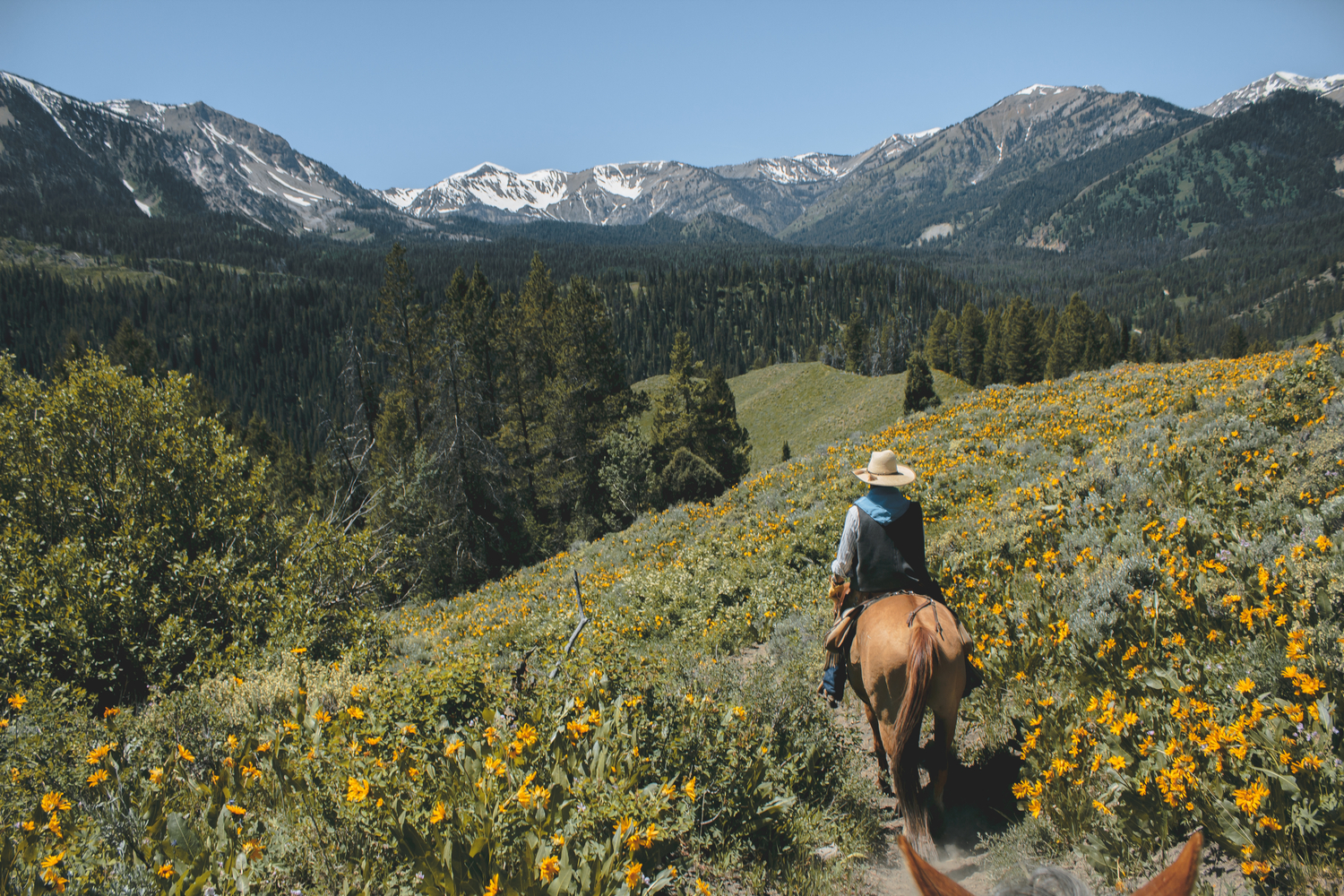
Yellowstone permits stock use on approximately 1,000 miles of designated backcountry trails with mandatory grazing restrictions and group-size limits, while Grand Teton allows horseback access on 200 miles of trails concentrated in the valley corridors and requires permits only for overnight stock camping. Bridger-Teton National Forest provides unrestricted day-use trail riding across the Gros Ventre and Teton wilderness units, with administrative office hours from 08:00 to 16:30 Monday through Friday for current trail condition updates.
Yellowstone's backcountry trail system was originally surveyed by cavalry patrols in the 1880s, and today it remains one of the largest designated horse networks in the National Park System. The park's thermal features and wildlife corridors impose strict corridor routing: riders must stay on marked trails, and backcountry campsites with stock facilities require advance reservation. Grazing is prohibited in most thermal basins, and supplemental feed must be certified weed-free. Group size caps at 12 head of stock per party, and all overnight trips require a backcountry permit issued by the park's permitting office. Grand Teton's trail network is smaller but more varied in elevation and terrain. The valley floor trails wind through cottonwood groves and willow flats where moose sightings are common, while higher routes climb into the Teton Range canyons with sustained vertical gain. Day riders need no permit, but overnight stock camping is limited to four designated sites—Grassy Lake, Sheffield Creek, Patrol Cabin, and South Fork—each with hitching rails and stock water. The park does not allow grazing in any zone, so riders planning multi-day trips must pack pelleted feed. Bridger-Teton National Forest offers a middle ground: vast mileage without the permitting overhead of the parks. The Gros Ventre Wilderness alone holds over 300 miles of horse-friendly trail, much of it following old sheepherder routes and hunting paths. Day use requires no permit, and dispersed camping with stock is allowed throughout most forest zones as long as riders observe Leave No Trace protocols and camp at least 200 feet from water sources. The forest's administrative office at 340 North Cache Street in Jackson provides trail condition updates weekdays from 08:00 to 16:30, and staff can flag recent washouts or bear activity before you load the trailer. Terrain and forage differ sharply. Yellowstone's lodgepole pine plateaus sit above 7,500 feet and offer limited grass except in designated meadow campsites. Grand Teton's valley trails stay lower—6,400 to 7,200 feet—but canyon routes spike quickly into alpine talus where footing narrows. Bridger-Teton's wilderness units span sagebrush benches, aspen parks, and subalpine forest, giving riders the widest ecological variety and the longest riding season. Snow clears from Bridger-Teton's lower valleys by late May, while Yellowstone's high passes may stay blocked until mid-July. When comparing horseback riding in Yellowstone vs Grand Teton, the decision hinges on trip length and regulatory tolerance. Yellowstone rewards multi-day expeditions with solitude and iconic geothermal scenery but demands careful permit planning. Grand Teton suits shorter rides with dramatic alpine backdrops and straightforward access. Bridger-Teton serves riders who want mileage, flexibility, and minimal paperwork—qualities that have made it a preferred staging ground for outfitters and private stock owners alike.
“Yellowstone's backcountry trail system was originally surveyed by cavalry patrols in the 1880s, and today it remains one of the largest designated horse networks in the National Park System.”
The optimal window for horseback riding in the Yellowstone and Grand Teton region occurs from mid-July through early September. During this period, higher-elevation trails typically clear of snowpack, allowing for access to backcountry routes.
Cool mornings, 40°F-65°F; lingering snowpack
Trails may have limited access due to high-altitude snow. Check local conditions for muddy ground or downed trees.
Warm days, 50°F-80°F; stable conditions
This is the peak season when the majority of trails are accessible and dry. Expect consistent weather suitable for longer rides.
Chilly mornings, 30°F-70°F; potential for early snow
Conditions remain favorable until the first significant snowfall. Reduced visitor numbers provide a quieter experience on popular trail segments.
Verdict: The best window for riding is mid-July through August, as this timeframe ensures the most extensive trail availability across both high-elevation environments.
Bridger-Teton National Forest provides access to horseback riding trails bordering Grand Teton National Park, primarily accessed via U.S. Highways 191 and 89. Riders seeking trail information or permit guidance should visit the administrative office located at 340 North Cache Street, Jackson, WY 83001.
US-191 North from Jackson toward Grand Teton
US-89 North toward Yellowstone entrance
Forest Service Road access to Gros Ventre trailheads
Visit the administrative office at 340 North Cache Street during the best arrival window of 08:00–16:30 for current trail conditions and trailer parking guidance. Always verify specific trailhead trailer capacity before departure, as parking at popular access points fills quickly during peak hours.
The Bridger-Teton National Forest administrative office maintains standard operating hours to assist visitors with trail information and safety updates regarding horseback riding.
Both Yellowstone and Grand Teton enforce strict regulations to protect wildlife, preserve trails, and maintain safety in backcountry areas. Riders must comply with weed-free feed requirements, bear-aware protocols, and group-size restrictions.
Everything you need to know about horseback riding in yellowstone vs grand teton
Both areas offer guided trail rides suitable for beginners, though the terrain differs significantly. You should choose based on whether you prefer the volcanic landscapes of the north or the alpine scenery near the Jackson Hole valley.
Horseback riding in Yellowstone vs Grand Teton presents distinct experiences, as Yellowstone offers hydrothermal features and vast meadows while the Tetons emphasize dramatic mountain peaks. Bridger-Teton National Forest serves as a gateway to high-country trails surrounding these iconic parks.
Advanced reservations are highly recommended for all guided excursions during the peak summer months. We suggest checking availability via our booking resources to ensure your preferred time slot.
Age requirements vary by specific outfitter and trail difficulty rather than park boundaries. Always verify individual operator policies before arriving at the trailhead to ensure your group meets the necessary criteria.
Yes, private stock is permitted on many forest service trails, though you must adhere to specific grazing and weed-free feed regulations. Review local forest service guidelines to confirm permit requirements for your specific route.
Entrance to the Bridger-Teton National Forest is 0 USD, but private guiding fees are set by individual operators. When considering the cost of horseback riding in Yellowstone vs Grand Teton, always compare independent outfitter rates rather than just park entry fees.
Sturdy, closed-toe boots and long pants are standard requirements for safety and comfort in the backcountry. Bringing a rain jacket and a reusable water bottle is also advised due to the unpredictable mountain weather.