Bridger Teton National Forest Horseback Riding
Recreation Guide

Things to Do in Bridger Teton National Forest

Bridger-Teton National Forest spans 3.4 million acres of Wyoming wilderness, offering year-round access to some of the most remote and biodiverse terrain in the Lower 48. This guide covers the forest's trail systems, backcountry zones, wildlife corridors and seasonal recreation options.

8 min read Updated 2026-11-01 Fact-checked
Things to Do in Bridger Teton National Forest

Quick answer

Bridger-Teton National Forest offers wilderness hiking across eight designated wilderness areas, alpine lake fishing, horseback trail riding, wildlife observation in elk and grizzly habitat, backcountry camping, rock climbing in the Wind River Range, cross-country skiing and snowmobiling in winter. The forest's administrative office at 340 North Cache Street in Jackson operates Monday through Friday from 08:00 to 16:30 for permits, maps and current trail conditions.

Bridger-Teton is the second-largest national forest outside Alaska, covering more terrain than Yellowstone and Grand Teton National Parks combined. Its boundaries stretch from the Idaho state line east to the Continental Divide, encompassing the Gros Ventre Range, the Wyoming Range, and portions of the Wind River and Absaroka ranges. More than 1.2 million acres are federally designated wilderness, meaning no motorized access and minimal infrastructure beyond primitive trails. Things to do in Bridger Teton National Forest break into distinct zones. The Gros Ventre Wilderness holds multi-day backpacking routes through aspen groves and limestone ridges, with seasonal access dependent on snowmelt. The Wind River Range offers technical alpine climbing and lake-dotted cirques above 10,000 feet. Lower-elevation areas near Pinedale and Big Piney support vehicle camping, ATV trails and developed campgrounds. The Hoback and Greys river corridors provide roadside fishing access and float routes. Winter transforms the landscape into snowmobile terrain, with groomed trails radiating from Togwotee Pass and the Wyoming Range. Wildlife observation ranks among the most reliable forest activities in Bridger Teton National Forest. Elk herds migrate through the Gros Ventre in spring and fall, moose occupy willow flats along drainages, and the forest supports one of the densest grizzly populations in the contiguous United States. Bighorn sheep inhabit the Whiskey Mountain range, mule deer browse sagebrush foothills, and gray wolves den in remote valleys. The forest's size allows visitors to encounter wildlife without the crowding common in adjacent national parks. Permit requirements vary by activity and season. Overnight backcountry camping in wilderness areas does not require a permit, but the Forest Service recommends registering at trailheads. Commercial outfitting, group sizes above fifteen people, and some river access points require advance authorization. Snow conditions dictate access windows for high-elevation trailheads—most routes above 9,000 feet remain under snow until late June, and early-season hikers should expect creek crossings without bridges and lingering avalanche debris.

“Bridger-Teton holds more federally designated wilderness than any national forest in the Lower 48 outside of Idaho and Montana.”
What to see

Top Things To Do In Bridger Teton National Forest

Bridger-Teton National Forest encompasses over 3.4 million acres of public land, offering diverse terrain for outdoor recreation. From expansive wilderness areas to winding river corridors, the forest provides numerous opportunities for hiking, fishing, and backcountry exploration.

Gros Ventre Wilderness

This region features rugged peaks and expansive plateaus, providing habitat for bighorn sheep and moose. Hikers utilize extensive trail networks that lead to high-alpine lakes and geologic formations.

Visit during early morning to observe wildlife near the valley floors.
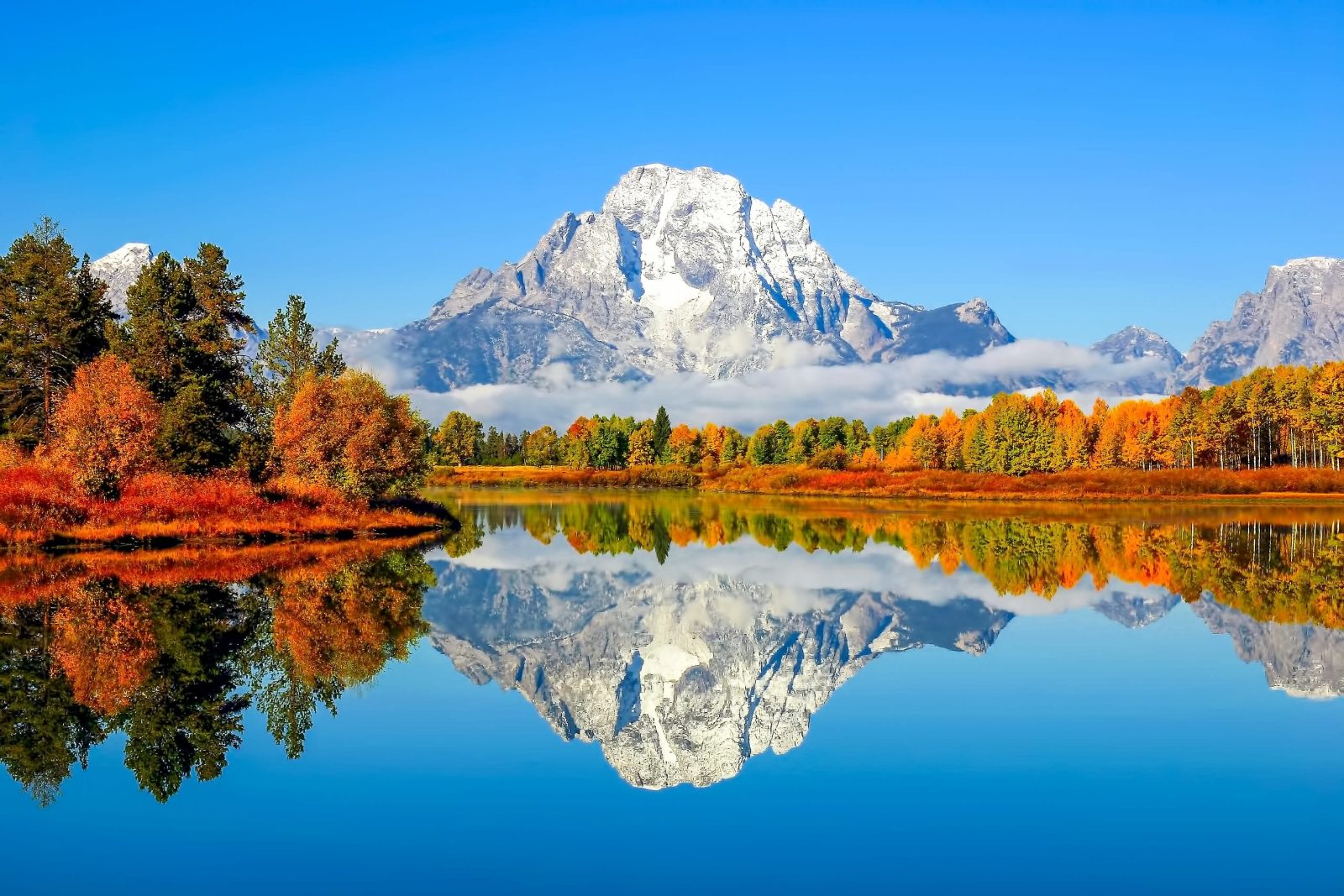
Wind River Range

Known for its significant concentration of glaciers and granite spires, this range is a destination for hikers and climbers. The Continental Divide National Scenic Trail passes through this landscape, offering access to remote wilderness zones.

Focus on the Titcomb Basin trail for elevated granite mountain views.

Snake River

Originating in the mountains of Yellowstone and flowing through the forest, this river is managed for fly fishing and float trips. Access points along the river allow for exploration of the riparian corridor.

Cast lines in the morning when water temperatures remain lower.

Bridger Wilderness

Located within the Wind River Range, this area contains thousands of lakes and challenging terrain for experienced backpackers. It is a focal point for those seeking long-distance trekking and isolation.

Carry a topographic map for navigation between the high lake basins.

Timing

Best Time For Things To Do In Bridger Teton National Forest

The period from July through September serves as the primary window for high-country access and equestrian activities in the Bridger-Teton National Forest. During these months, snowpack recedes from higher elevations, allowing for expanded trail use.

July–September

Moderate to high

Mild, 40°F to 75°F

Summer months offer the most reliable conditions for hiking and horseback riding. High-altitude trails are typically snow-free and accessible during this window.

October–November

Low

Cooling, 20°F to 50°F

Temperatures drop significantly and early snowfall often restricts access to backcountry areas. This period marks the transition to winter activities.

December–March

Low

Cold, 0°F to 30°F

Winter conditions dominate, shifting focus toward snow sports and groomed trail systems. Many forest roads close to wheeled vehicles during this time.

Weekday mornings

Low

—

Mid-week morning arrivals provide the quietest experience for accessing trailheads and forest recreation sites.

Verdict: The best time for high-country access is between July and September, ideally visiting on a weekday morning to avoid peak weekend congestion.

Directions

Logistics: How To Get To Things To Do In Bridger Teton National Forest

The Bridger-Teton National Forest administrative office is located at 340 North Cache Street in Jackson, Wyoming. A personal vehicle is required to reach the forest's extensive network of trailheads and recreational access points surrounding the Jackson Hole area.

Car Varies by origin —

US-191/US-89 to North Cache Street

Car Varies by location —

Access via US-191/US-26/US-89 for major trailheads

On foot 5-10 min —

Walk from Jackson Town Square to 340 North Cache Street

Plan to arrive between 08:00–16:30 to coordinate with administrative office staff for trail information. Ensure your personal vehicle is equipped for mountain driving conditions before accessing remote trailheads.

Opening hours

Administrative Hours For Things To Do In Bridger Teton National Forest

The administrative office for Bridger-Teton National Forest operates during standard weekday business hours. Visitors seeking information or assistance should plan their arrival within these scheduled times.

Monday
08:00–16:30
Tuesday
08:00–16:30
Wednesday
08:00–16:30
Thursday
08:00–16:30
Friday
08:00–16:30
Saturday
Closed
Sunday
Closed
The office closes at 16:30; please ensure all inquiries are made before this time.
Prices

Admission Fees For Things To Do In Bridger Teton National Forest

Bridger-Teton National Forest does not charge an entrance fee for general access. Costs are only applicable to specific localized sites.

General Forest Entry No entrance fee required for the forest.
0 USD
Select River Access Sites Fees vary by specific site location.
Daily Vehicle Fee
General admission to the forest is free for all visitors at all times.

Verdict: A typical adult pays 0 USD to enter the forest, though daily vehicle fees apply at certain designated river access sites.

Etiquette

Rules For Things To Do In Bridger Teton National Forest

Bridger-Teton's 3.4 million acres of wilderness require strict compliance with food storage regulations and leave-no-trace principles to protect both wildlife and the ecosystem.

Do

  • Store all food and scented items in bear-resistant containers or hang properly
  • Pack out all trash, including toilet paper and micro-trash
  • Stay on designated trails to prevent erosion and habitat damage
  • Yield to pack stock on shared trails
  • Obtain required permits for overnight backcountry trips
  • Keep dogs leashed where required and under voice control elsewhere

Don't

  • Leave food unattended or stored in vehicles overnight in bear country
  • Cut switchbacks or create new trails across meadows
  • Dispose of waste within 200 feet of water sources
  • Feed or approach wildlife, especially moose and bears
  • Camp within 200 feet of lakes, streams, or trails
  • Build cairns or otherwise alter natural features
Nearby

Nearby Things To Do In Bridger Teton National Forest

The Bridger-Teton National Forest shares extensive borders with several iconic landscapes, making it a natural hub for extended outdoor exploration. These locations complement a horseback riding trip by offering diverse terrain and regional cultural experiences within a short drive.

Grand Teton National Park

Grand Teton National Park

15 min drive

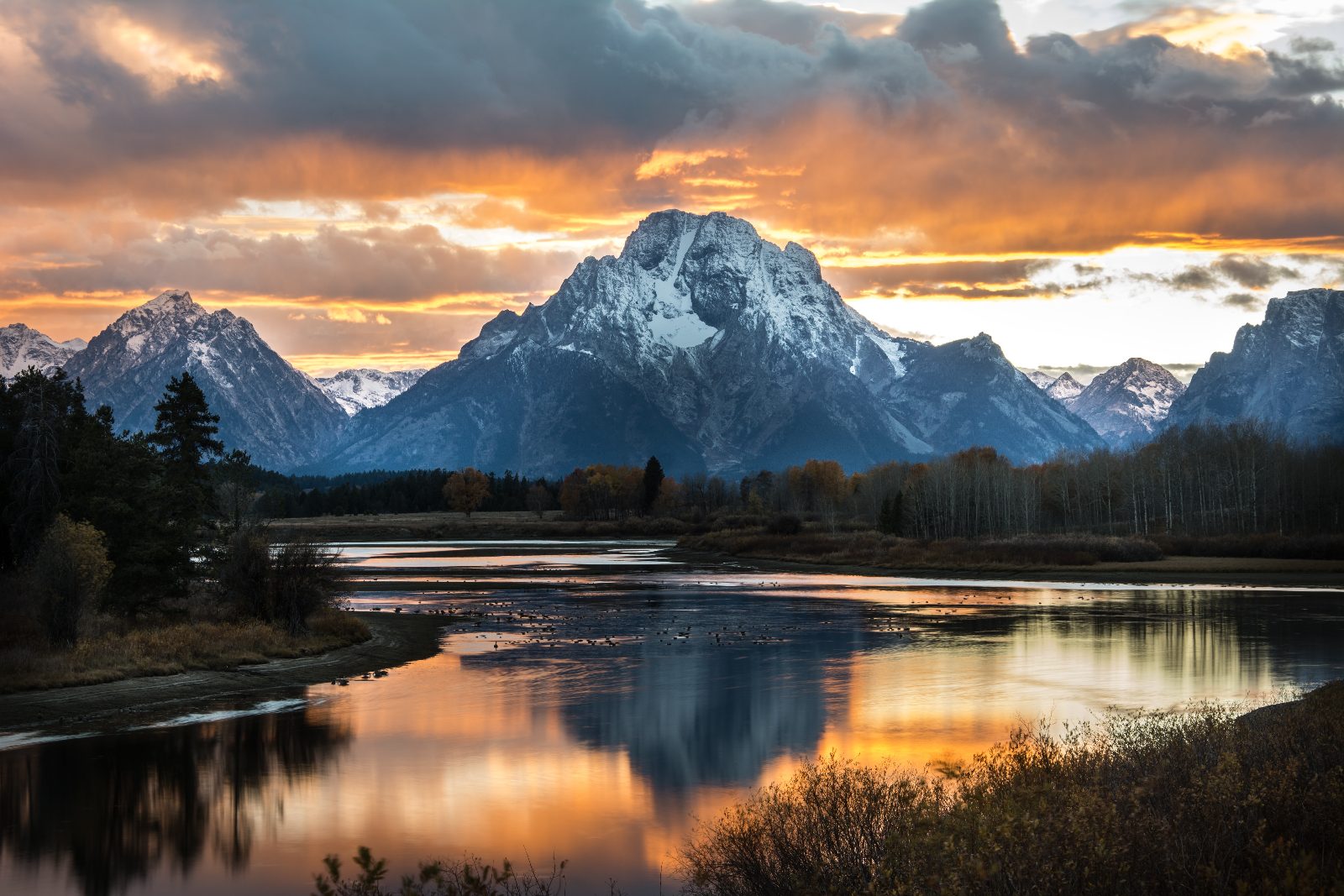
Adjacent to the forest's western boundary, this park provides a contrast of jagged peaks and glacial lakes that are accessible via connecting trails.

Jackson Hole

Jackson Hole

10 min drive

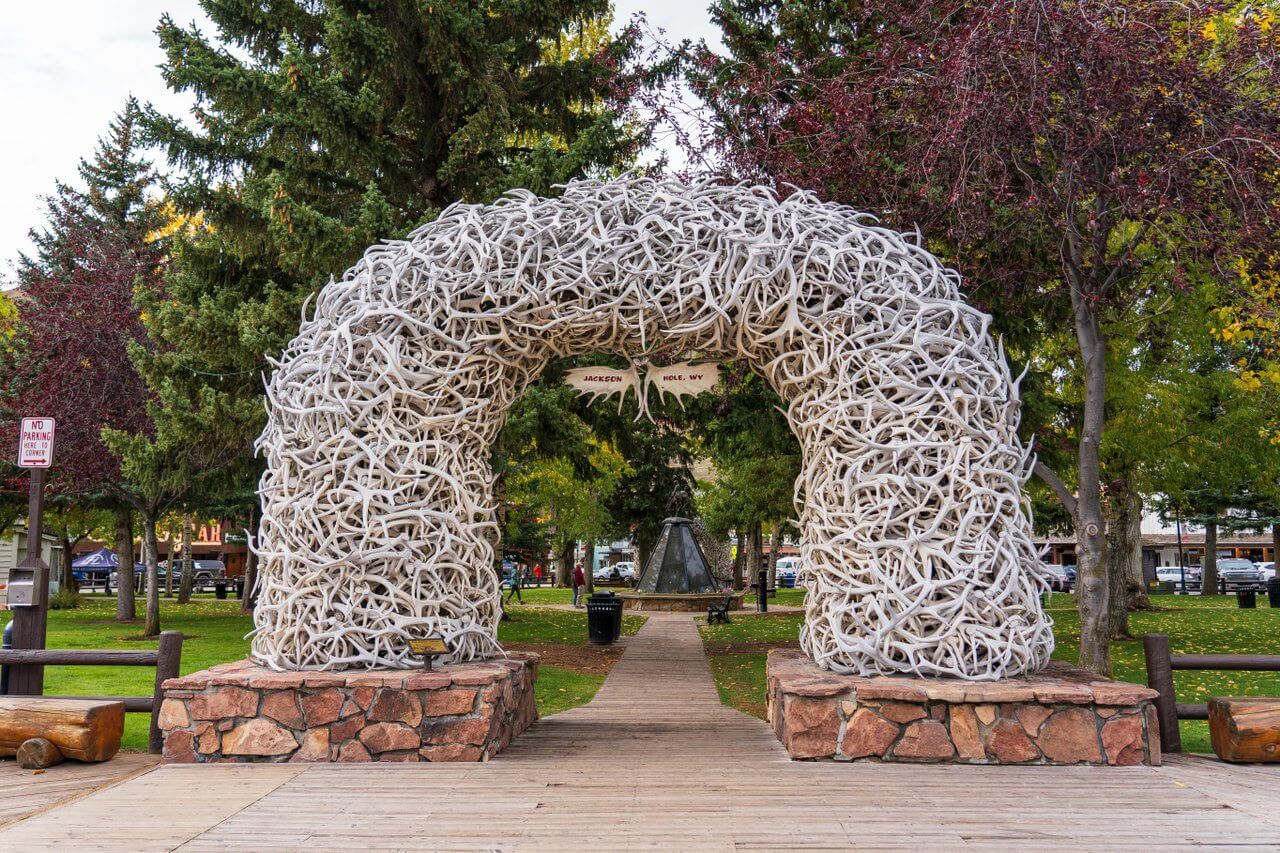
Located at the forest base, this town serves as the primary logistical center for supplies and historical western culture before or after forest excursions.

National Elk Refuge

National Elk Refuge

15 min drive

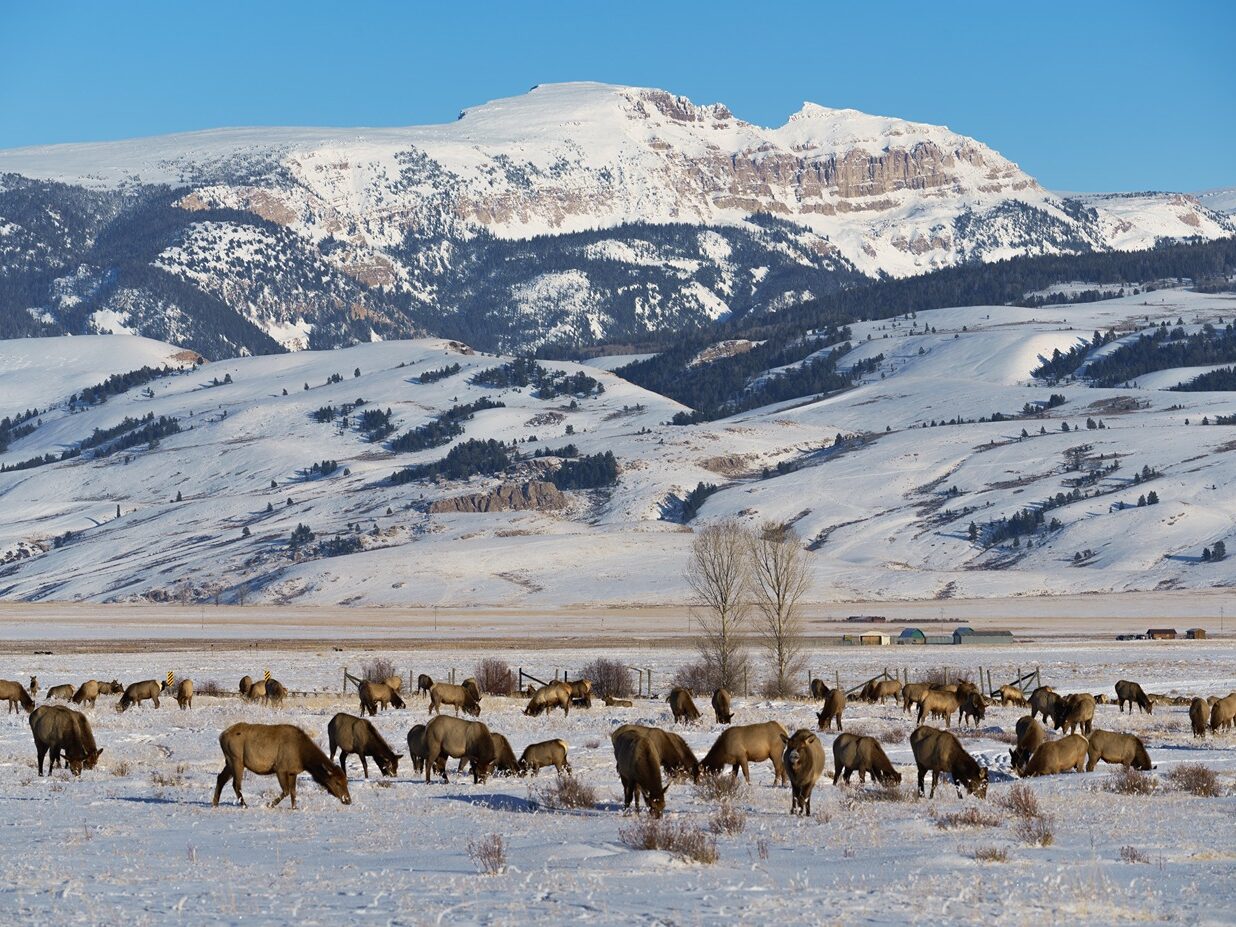
Situated between the forest and the town of Jackson, this area offers wildlife viewing opportunities that provide a different perspective on the local ecosystem.

Book

Check availability

Frequently asked

Frequently asked questions about things to do in Bridger-Teton

Everything you need to know about things to do in bridger teton national forest

What are the best things to do in bridger teton national forest?

Visitors often explore wilderness hiking, horseback riding, and fishing as primary activities in this vast landscape. Wildlife viewing and backcountry camping are also popular ways to experience the expansive terrain. Many guests enjoy the scenic vistas and rugged mountain trails throughout the region.

Are there fees for things to do in bridger teton national forest?

General entry to the forest is 0 USD, meaning there is no cost for forest access. However, please note that select river access sites require a daily vehicle fee for those planning specific aquatic excursions.

What is the recommended arrival time for things to do in bridger teton national forest?

The best arrival window is 08:00–16:30, which aligns with administrative office hours. Planning your visit during these times allows you to consult with staff for assistance or travel logistics.

Can I find guided activities among the things to do in bridger teton national forest?

While we do not sell tickets, you can find various guided horseback riding tours and outdoor adventure packages listed on our booking pages. These third-party services help you navigate the trails and learn about the local ecology. You can browse available options to funnel into your preferred activity.

Are there specific rules for outdoor recreation in the forest?

Users are expected to follow Leave No Trace principles to protect the natural environment and mountain ecosystem. Check local guidelines regarding fire safety and bear country precautions before heading into the backcountry.

Is it possible to visit the administrative office for information?

The administrative office is located at 340 North Cache Street, Jackson, WY 83001. You may contact them directly at 307-739-5500 for the most current information regarding area closures or trail conditions.

Keep reading

More guides & pages